Digital Marketing in the West Midlands: A Practical Guide for Small Businesses
By Junaid Mazhar

If you run a small business in the West Midlands, start your digital marketing with three basics: make it easy for customers to find you, give them a clear reason to contact you, and measure the enquiries that follow. For many local businesses, that means an accurate Google Business Profile, a useful website and focused local SEO before adding paid advertising.
This guide explains a practical approach to digital marketing in the West Midlands, from local search and website improvements to Google Ads, social media and tracking. It is designed to help you decide what to do first, whether you manage marketing yourself or work with an agency.
Short answer: where a West Midlands small business should start
Start with the customer journey rather than a list of marketing services. Ask what a potential customer searches for, what information they expect to see, and what would persuade them to enquire.
A sensible order for many service businesses is to check your Google Business Profile eligibility and details, improve your main service pages, make contacting you easy and then build local search visibility. Once your website can handle enquiries and you have reliable measurement, consider whether paid ads would help you reach customers with immediate demand.
For an overview of regional support, see Linkedo's guide to digital marketing across the Midlands.
How people in the West Midlands find local businesses online
Customers do not all search in the same way. Location also changes the search. People may use a city name, a nearby town or simply search for a service 'near me'.
Different searches mean different customer needs
A useful way to organise marketing is by intent:
- Find a provider: Searches for a local service or business category may lead to map listings and service pages.
- Understand a problem: Questions and how-to searches call for clear, helpful explanations.
- Take action: People ready to book need opening information, service coverage, contact details and a simple next step.
Make sure the page a customer reaches actually answers that search. If Birmingham is a key service area, Linkedo's Birmingham digital marketing page provides a related regional starting point.
Step 1: Get your Google Business Profile and service areas right
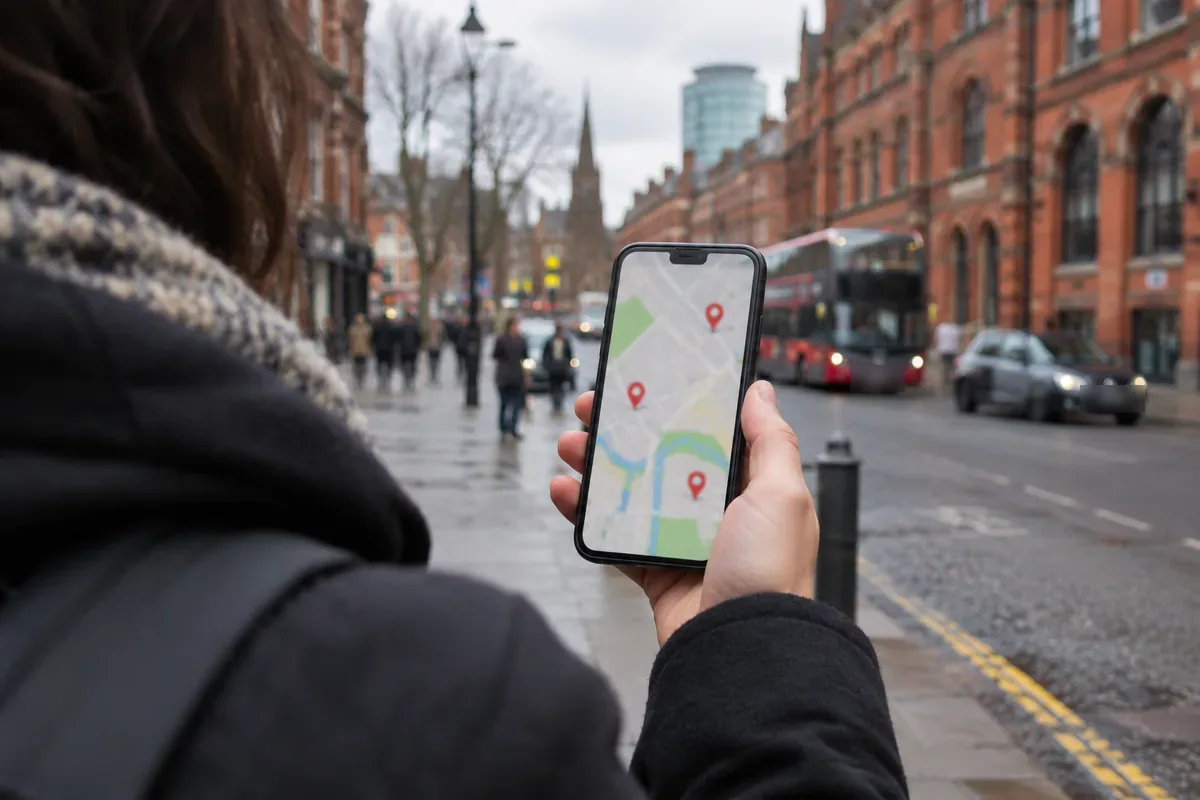
For eligible local businesses, Google Business Profile helps customers find accurate information in Search and Maps. Begin by claiming or verifying your profile, choosing a suitable business category, adding correct contact details and keeping your opening hours current.
Google says local rankings mainly depend on relevance, distance and prominence. There is no way to pay Google for a better local ranking. The practical lesson is to represent your business accurately rather than fill its name or description with extra keywords. See Google's guidance on local ranking.
Storefronts and service-area businesses
A shop that welcomes customers at its premises can show its eligible business address. A plumber or mobile service operator who travels to customers and does not receive customers at a business address should usually hide that address and list a genuine service area instead.
Do not create listings for imaginary branches or virtual offices. Google's business representation guidelines explain eligibility, service areas and address requirements. A home-based business is not automatically excluded, but its actual operating model matters.
Step 2: A website that turns visits into enquiries
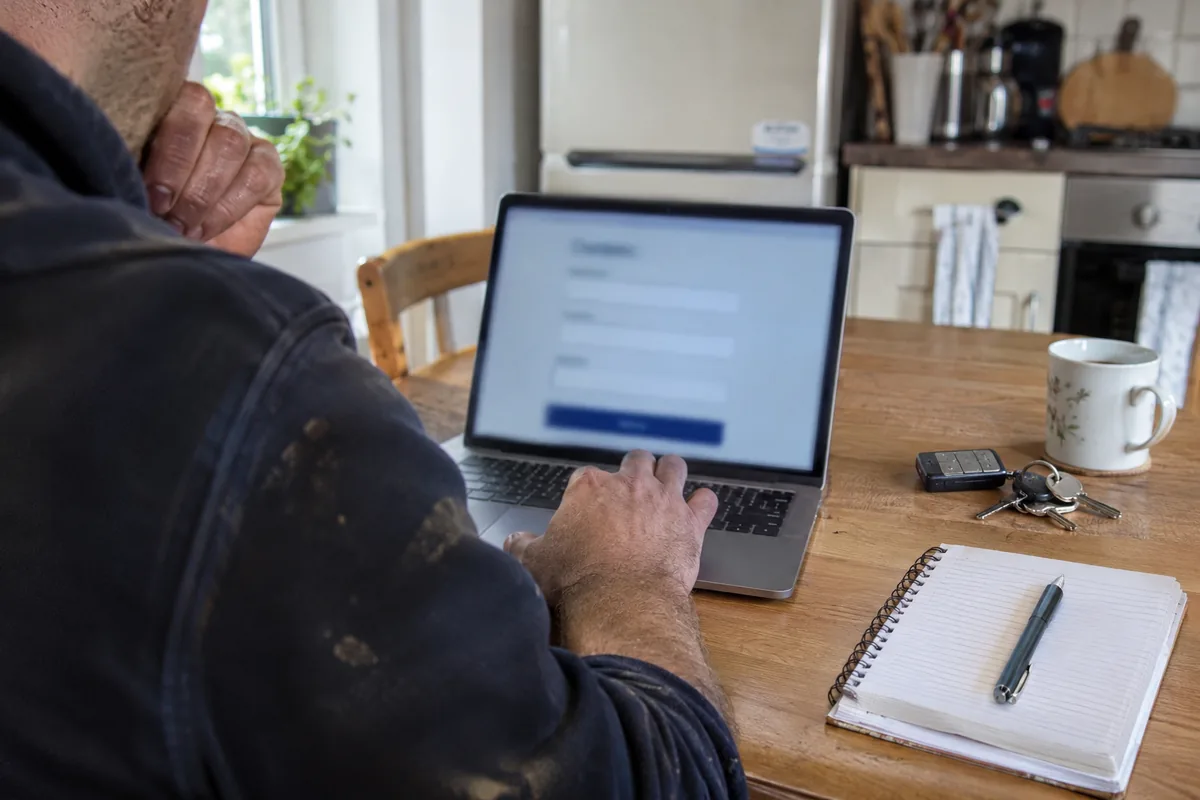
Your website should help people decide whether you provide the service they need. It also needs to make the next step simple. More visits are not particularly useful when visitors cannot find a telephone number, understand coverage or complete a form.
Start with your most important pages. Check that each has a clear heading, a plain-English description of the service, relevant location information and an obvious way to contact the business. Make sure pages work well on a mobile phone, where navigation and forms can be harder to use.
Make the next step obvious
Use a clear call to action that matches the page. A local trades service might offer a telephone link and quote form. A professional service may need an appointment enquiry. An online shop needs straightforward product information and checkout steps.
Test the forms yourself and check that messages reach the correct inbox. If your website is difficult to use, website development support may be a sensible priority before increasing advertising spend.
Step 3: Local SEO pages for the towns you really serve
Local SEO helps search engines and customers understand which services you offer and where you offer them. Begin with a clear main service page, then consider dedicated location pages only where you can provide genuinely useful information.
For example, a company covering Dudley and Walsall might explain relevant service coverage, available services and practical details for customers in each location. A business focused entirely on Coventry should not pretend to have branches across the region.
Avoid copy-and-paste town pages
Do not create dozens of pages by changing only the place name. Near-identical content gives customers little new information and may make the website harder to navigate.
Instead, explain what is genuinely different or useful for each area. If there is nothing meaningful to add, one well-written regional page may be more appropriate. Read Linkedo's SEO guide for small businesses or explore its SEO services for related guidance.
Step 4: When Google Ads makes sense (and when it doesn't)
Google Ads can place your business in front of people searching for relevant products or services. It may suit businesses that already have a clear offer, suitable landing pages and the ability to respond to enquiries.
However, paid search is not a shortcut around a confusing website. If visitors cannot tell what you offer or how to contact you, advertising may send additional people into the same problem.
Before launching a campaign, decide which services and locations matter most. Review search terms, match advertisements to the right landing pages and set spending limits your business can manage. Exclude irrelevant searches where appropriate and check that campaign settings match your real coverage.
Most importantly, define what counts as a valuable action. Google's website conversion measurement guidance explains how actions such as completed enquiries can be measured after ad interactions. Check that your tracking is implemented correctly and respects applicable privacy requirements.
For help with campaign planning, see Linkedo's Google Ads services. If you are deciding between organic search and advertising, the related guide on whether PPC or SEO should come first in Birmingham covers that decision in more detail.
Step 5: Social media and Meta ads for awareness
Social media can help people become familiar with your business before they are ready to search for it. This may be useful for visually appealing products, local events, seasonal services or businesses that benefit from showing their work.
Meta ads can be used to reach selected audiences on Facebook and Instagram. They may be suitable for introducing a service, promoting a relevant offer or encouraging people to visit a page. Unlike a search advertisement triggered by a query, a social advertisement often reaches someone who was not actively looking for your business at that moment.
Choose an objective that fits the customer journey, use honest imagery and send visitors to a relevant page. Linkedo's Meta ads services explain this channel further.
What to measure (and what to ignore)

Start by measuring the actions that matter to your business. A report showing a rise in visits may be interesting, but it does not tell you whether suitable customers contacted you.
Useful measurements include completed forms, relevant telephone enquiries, bookings, purchases and the pages that lead to those actions. Review them alongside channel information so you can see where useful activity originates.
Google Search Console helps you understand organic search queries, clicks, impressions and landing pages. Analytics can help explain what visitors do on the website when configured correctly. For paid campaigns, compare advertising activity with tracked conversions rather than clicks alone.
Avoid treating follower totals, page views or broad keyword visibility as proof of business growth. These can provide context, but they should not replace meaningful outcomes. When sharing links across campaigns, Linkedo's free UTM builder can help you label traffic consistently.
A simple 90-day starter plan
This plan provides an order for getting organised, not a promise that marketing results will appear within a particular period. Adjust the pace to your resources, customer demand and website condition.
Days 1–30: Check the foundations. Write down your main goals and target customers. Review your website, contact forms, important service pages and current measurement. Check Google Business Profile eligibility, accuracy and access. Identify the main locations you genuinely serve.
Days 31–60: Improve the essentials. Fix the most important website problems. Strengthen service content and local information. Add useful internal links. Set up or correct conversion measurement. Decide whether you have a clear enough landing page and offer to test advertising.
Days 61–90: Review and refine. Look at search queries, relevant enquiries, landing-page behaviour and the quality of any paid traffic. Address problems that the data reveals. Continue work that supports your priorities and reconsider activities that do not fit your goals.
Frequently asked questions
Which digital marketing channel works best for a small local business in the West Midlands?
There is no single best channel for every business. Many eligible local service businesses should start with accurate business information, a clear website and local SEO. Advertising can be considered when the offer, landing page and tracking are ready.
Should I target Birmingham, Coventry and the wider West Midlands with separate pages?
Only when you genuinely serve those areas and have useful, distinct information for each page. Avoid duplicating the same copy with different town names. One clear regional page may work better if separate pages would add little value.
How long does digital marketing take to show results?
It varies by channel, competition, website condition, demand and the work involved. Advertising and organic search work differently, but neither guarantees enquiries. Set realistic objectives and review evidence regularly rather than expecting a promised deadline.
Do I need a Google Business Profile if I work from home or visit customers?
You may be eligible if you meet Google's business requirements and interact with customers in person. A genuine service-area business that travels to customers should normally hide its residential address. Online-only businesses are not generally eligible for a Business Profile.
Is Google Ads or SEO better to start with?
SEO can support useful organic visibility over time, while Google Ads can reach people searching for specific services when campaigns run. The right starting point depends on your goals, resources, website and ability to handle enquiries. They can also complement each other.
What should I measure each month?
Track meaningful enquiries, bookings or sales where possible. Review organic clicks, relevant queries, landing pages and paid conversions, alongside the work completed. Check that measurement is accurate before drawing conclusions from reported changes.
Getting help with digital marketing in the West Midlands
Good digital marketing starts with clear priorities. Decide who you want to reach, make the website useful, choose channels that fit how customers buy and measure results you can act on.
Linkedo offers support with digital marketing across the Midlands, including SEO, website work and online advertising. If you are comparing providers, the guide to choosing an SEO agency in Birmingham can help you ask practical questions before committing.
To discuss your business goals, contact Linkedo or call +44 7927 969991. Start with the services and locations that matter most, then build a marketing plan you can understand and manage.
About the author
Junaid Mazhar · SEO Director